Lanza the Performer
A List of Confirmed Performances Before a Live Audience in Opera, Concert, Recital, Television, and Radio
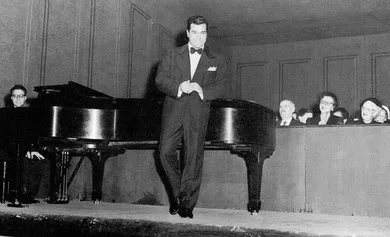
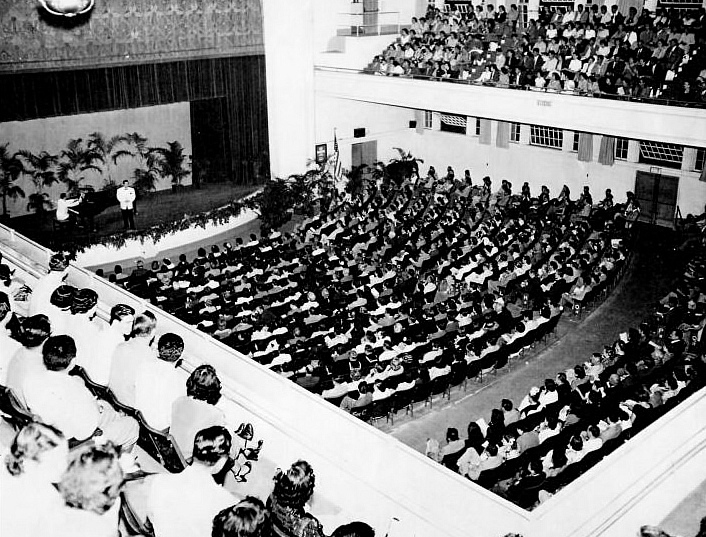
Mario Lanza in recital at the Philadelphia Academy of Music, 13 March 1951

Prichard’s opinion presumably stemmed from being present at the Dorchester in November 1957, when an agitated Lanza went on an alarming drinking binge that ended only on the eve of his performance at the London Palladium.
What Prichard perhaps failed to appreciate, however, is that Lanza’s nervousness was not borne out of a dislike of public performing per se. Rather, it was the understandable anxiety of a tenor who had not performed on the concert stage in six and a half years. As any professional singer could have told Prichard, regular performing is essential to maintaining confidence in one’s abilities. In Lanza’s case, his confidence had been further eroded by years of negative publicity and skepticism from the press and music critics alike.
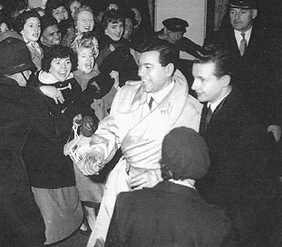
Victoria Station, London, 14 November 1957. Peter Prichard is on Lanza's immediate left.
If Prichard had met the same man ten years earlier, however, he would have discovered a very different Lanza: a happy tenor on the brink of an outstanding operatic career, and a performer who relished the demanding program that he performed regularly—sometimes even on successive days—with his illustrious fellow opera singers.
Nevertheless, this feature, which lists every known public performance by the tenor, may be sufficient to convince Prichard and his ilk that Lanza was always much more than just a movie star. It is designed to complement several other features on this site that focus on Lanza’s performing career: our list of existing live recordings, three pages of press reviews of his concert and stage work, reactions from opera singers who heard him sing in person, and a list of all known repertoire that he performed in public.
I am indebted to Armando Cesari, author of Mario Lanza: An American Tragedy (Baskerville, 2004; 2nd edition 2008), for his exhaustive research into Lanza’s life and performing career, and to Lee Ann Cafferata and Stefanie Walzinger for unearthing additional information about the tenor’s public performances through newspaper reviews and other resources. Derek Mannering's research is also acknowledged (and noted below, where appropriate.)
I should emphasize that this remains a work in progress, as many performance dates and venues (particularly for the 1947-48 Bel Canto Trio tour) still await identification. If anyone can provide additional information regarding specific performances, I would be most happy to hear from them. I can be contacted via our About Us page—--Derek McGovern.
1940-1942: First Performances and an Operatic Debut in Tanglewood
Lanza’s first public performance is often reported as a Christmas Day 1940 church rendition of the Bach-Gounod “Ave Maria”; however, he had actually performed earlier that year in public under the direction of his friend Earl Denny, a popular bandleader in Philadelphia. 1940 was also the year in which he began repertoire lessons with the former soprano Irene Williams, who went on to teach him twenty songs and two operatic roles over the next eighteen months.
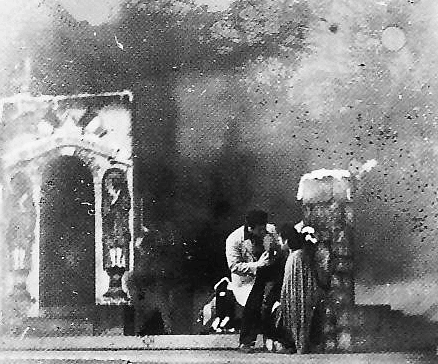
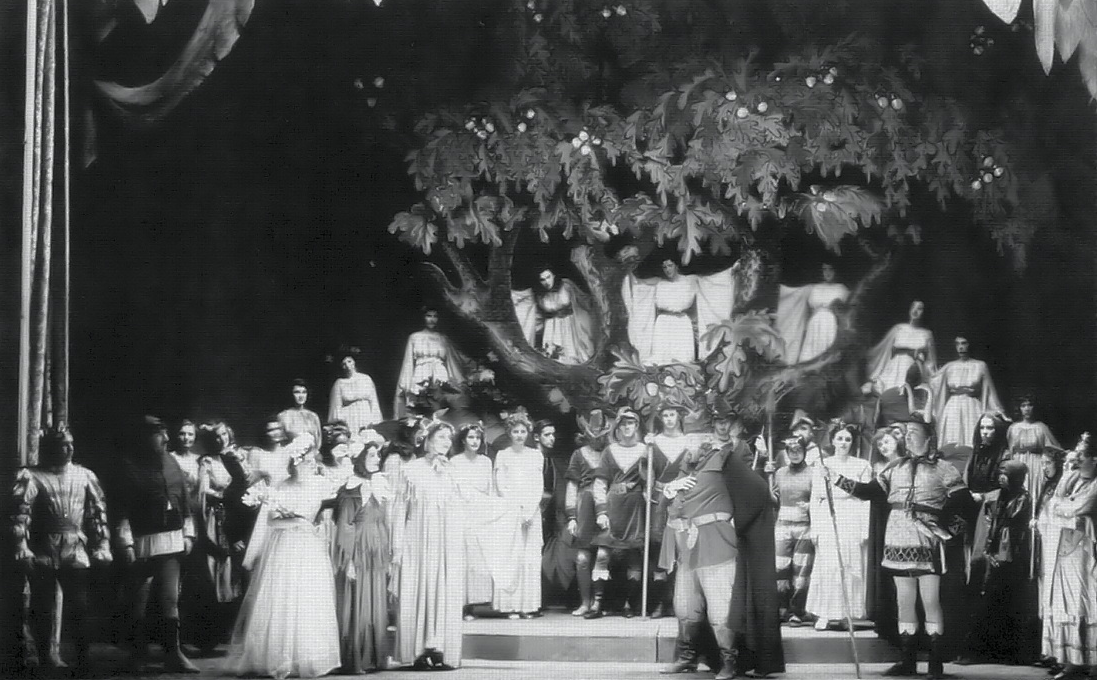
It was through Miss Williams’s connections that Lanza came to the attention of William K. Huff of the Philadelphia Concerts Forum. Huff was greatly impressed by Lanza’s vocal potential, and in 1942 engineered an audition for the 21-year-old tenor with the famous Boston Symphony Orchestra conductor Serge Koussevitzky. The conductor promptly offered Lanza a scholarship to study at the Berkshire Musical Festival in Tanglewood, and it was there, on 7 August 1942, that the tenor attracted the attention of top music critics with his performance in Nicolai’s The Merry Wives of Windsor. The young tenor was on his way.
View Performances

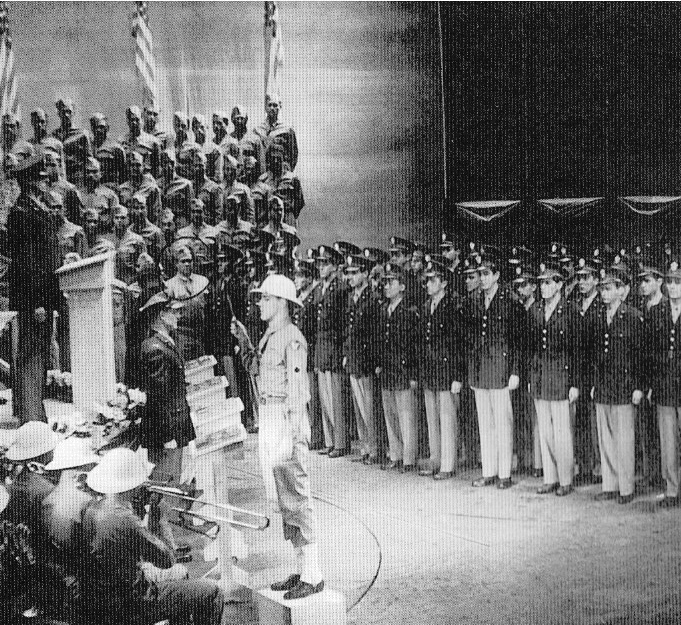
1943-1944: A Performer with the US Army’s Special Services
Lanza’s promising career was interrupted by World War II, and from December 29, 1942, until January 29, 1945, he was enlisted with the US Army. However, the tenor (who was partially blind in his left eye) never saw active military service, and after a miserable period of basic training in Marfa, Texas, his talents were soon better utilized as a featured performer in Peter Lind Hayes's On the Beam. Chorus work in Moss Hart's Winged Victory followed soon afterwards.
View Performances
1945-1946: Sporadic concert appearances and intensive vocal technique study
After being honorably discharged from the US Army in January 1945, Lanza married Betty Hicks, worked on voice and repertoire with assorted teachers, made test records for RCA, performed on the live radio show “Great Moments in Music,” and in September of that year resumed his concert career. Keenly aware, however, of his (then) limitations, Lanza cancelled all of his upcoming concerts and radio engagements in February 1946 and embarked on a 15-month period of intensive voice study with celebrated teacher Enrico Rosati.
As his vocal technique studies progressed, Lanza was encouraged by Rosati to sing occasional concerts in order to gain the necessary confidence and experience as a performer. These concerts were invariably well received, with the young tenor also earning excellent reviews for his efforts. [See this feature for further information.]
Please note: This section also includes Lanza's six appearances on the CBS radio show "Great Moments in Music." According to a 2010 interview with former trumpeter Maxim Gershunoff, who participated on these performances, the venue for these live broadcasts was Liederkranz Hall in New York City. Although no actual audience, other than the musicians and assorted CBS personnel, was present in the Hall, the live nature of these performances ensured that no retakes were possible. All other radio performances included in this feature consist of live broadcasts in front of a physical audience.
View Performances
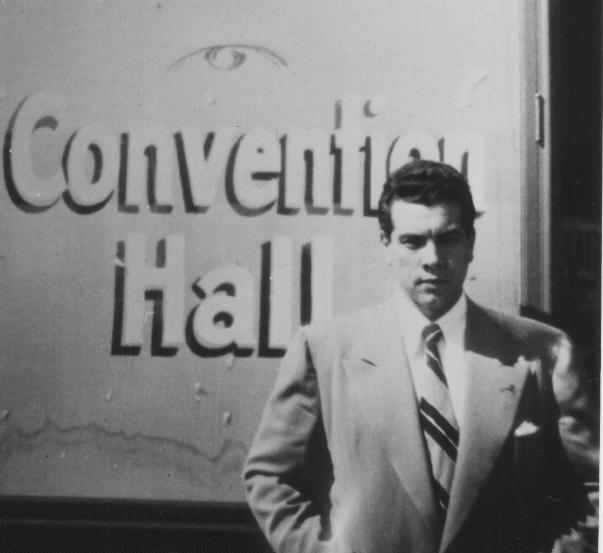
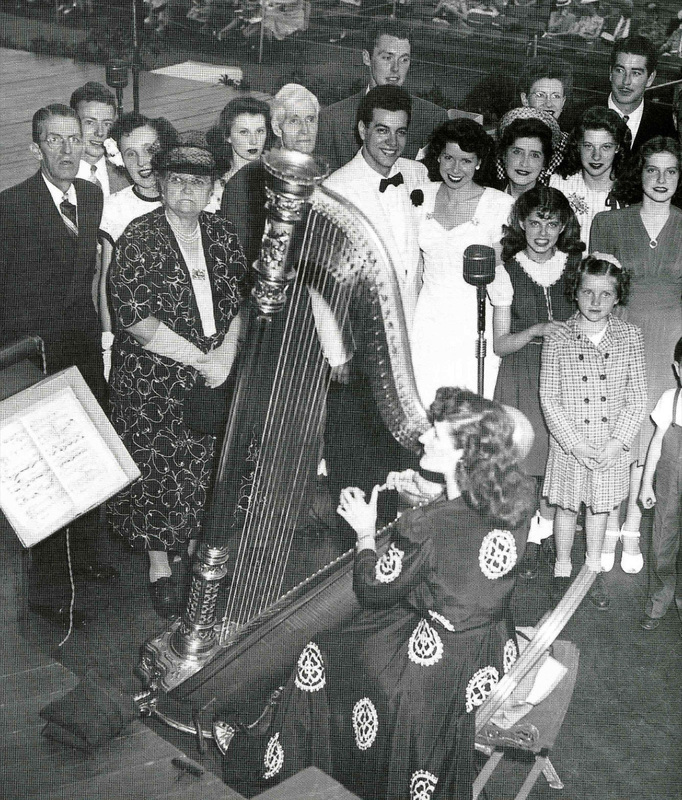
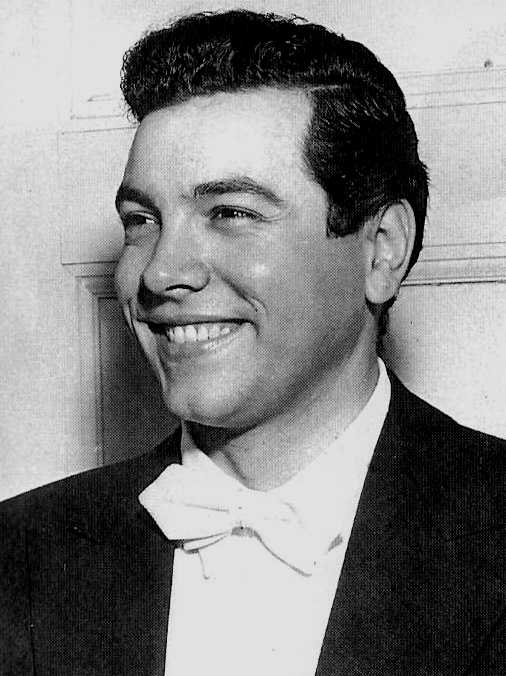
1947-1948: Concerts, the Bel Canto Trio Tour and a Professional Operatic Debut
1947 and 1948 were Lanza’s peak years as a live performer, and the most disciplined period of his artistic life. After completing his fifteen months of study with Rosati in May 1947, and now armed with a solid vocal technique that would stand him in excellent stead for the remainder of his life, the tenor joined the Bel Canto Trio with soprano Frances Yeend and bass-baritone George London—two very promising singers—and embarked on a ten-and-a-half-month tour of the US, Canada, and Mexico. Lanza also found time for a solo concert career, together with occasional recitals with other singers (most notably, sopranos Agnes Davis, Carolyn Long, and the Metropolitan Opera's Dorothy Kirsten).
Most significantly of all, he studied the role of Pinkerton in Madama Butterfly for four months with vocal coach Leila Edwards, going on to make his professional operatic debut in the part to excellent reviews with the New Orleans Opera Association in April 1948.
The period also included Lanza’s life-changing concert at the Hollywood Bowl in August 1947, an event that ultimately led him to M-G-M Film Studios and his disastrous attempt to combine an operatic career with a film one.
View Performances
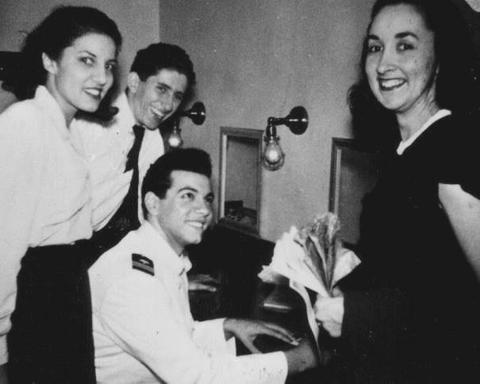
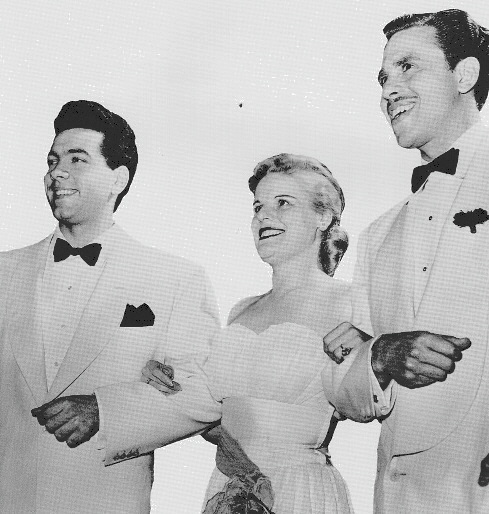
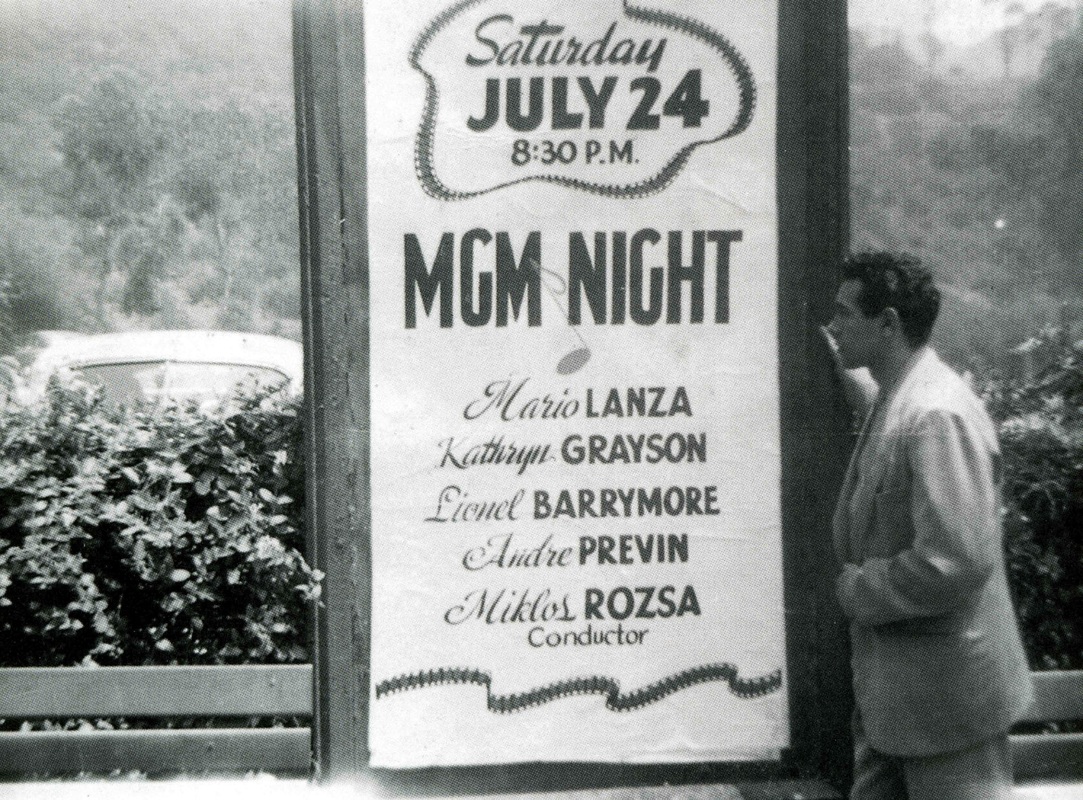
1949-1950: A recital tour, a promotional tour, and a Hawaiian diversion
Lanza was by now ensconced in Hollywood, and a scheduled return engagement with the New Orleans Opera Company in 1949 (as Alfredo to Eleanor Steber’s Violetta in a production of La Traviata) was an early casualty of his film career. For the time being, however, his performing career continued. After completing the shooting of his first movie, That Midnight Kiss, in March 1949, the tenor embarked on a recital and concert tour in mostly smaller cities that had been scheduled when he was still a relative unknown. He also made his first commercial recordings for RCA in May of that year. For the remainder of 1949, his public performances were largely restricted to promotional appearances in connection with the release of That Midnight Kiss.
With his film and recording career burgeoning, 1950 saw even fewer public performances, with appearances limited to three recitals in Hawaii in March and a charity concert in Los Angeles in April. Lanza spent much of the remainder of 1950 in the recording studios and working at M-G-M on The Great Caruso, and consequently another scheduled operatic performance—this time in the title role of Andrea Chénier opposite soprano Licia Albanese at the San Francisco Opera—fell by the wayside.
View Performances
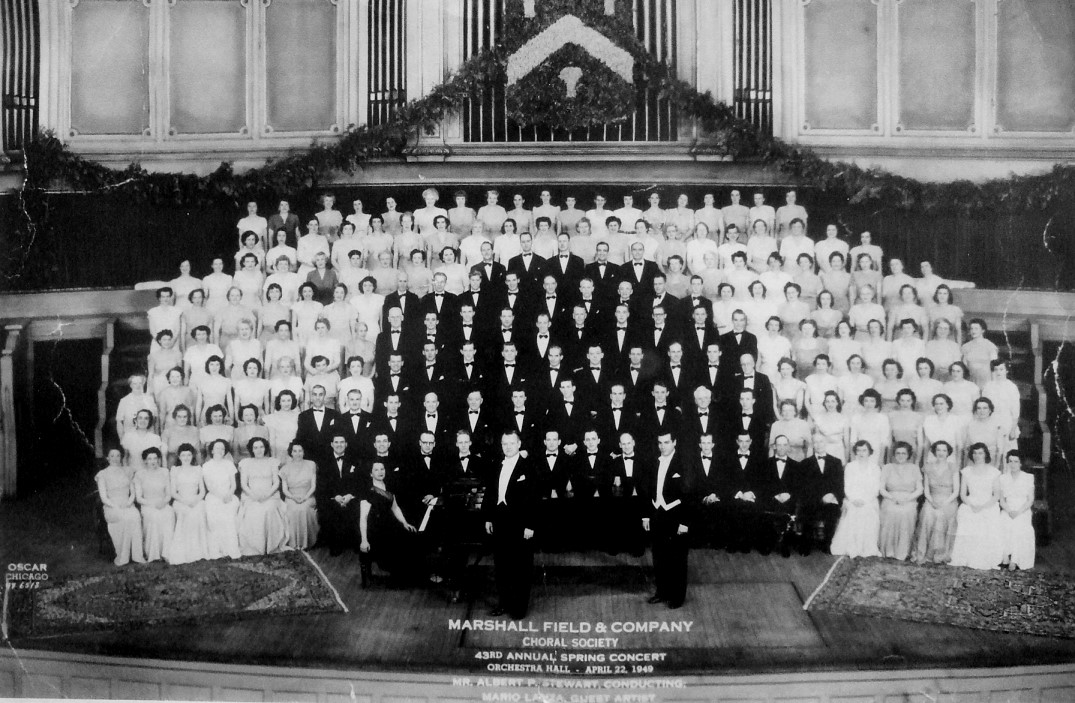
1951: A Sold-Out Tour of the USA
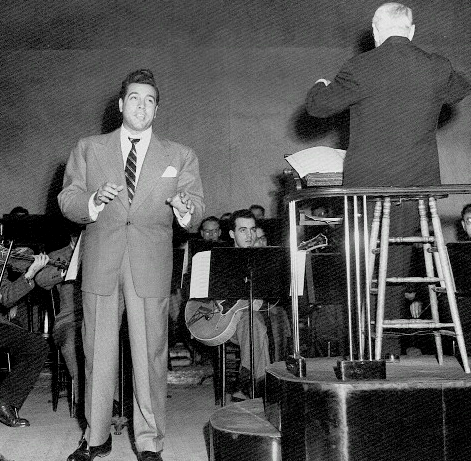
In anticipation of the release of his third film, the hugely successful The Great Caruso, Lanza embarked in February on a ten-week record-breaking nationwide concert and recital tour across the U.S. Although the critical response was mixed at times, with some of the more demanding reviewers chiding Lanza for perceived stylistic shortcomings, the tenor was accorded a rapturous reception by his public. As Time magazine noted in its cover story on the tenor in August 1951, "Caruso himself never commanded the adulation that swamped Lanza on his latest concert tour." [For press reviews and other information, please click here.]
View Performances
1954, 1957: Sporadic But Acclaimed Performances in the US and in the UK
After 1951, Lanza’s live appearances became rare as the increasingly embattled tenor retreated from public performing after his dismissal by M-G-M in 1952. Lawsuits, financial problems, the severing of ties with his once-trusted manager, and a seemingly endless wave of negative publicity further undermined his now-fragile psyche. However, a surprise move to Italy in 1957 reinvigorated the tenor, and led to a resumption of his concert career later that year at the venerable London Palladium, where he was jubilantly received by audiences and critics alike. [See this article for further information and reviews.]
View Performances
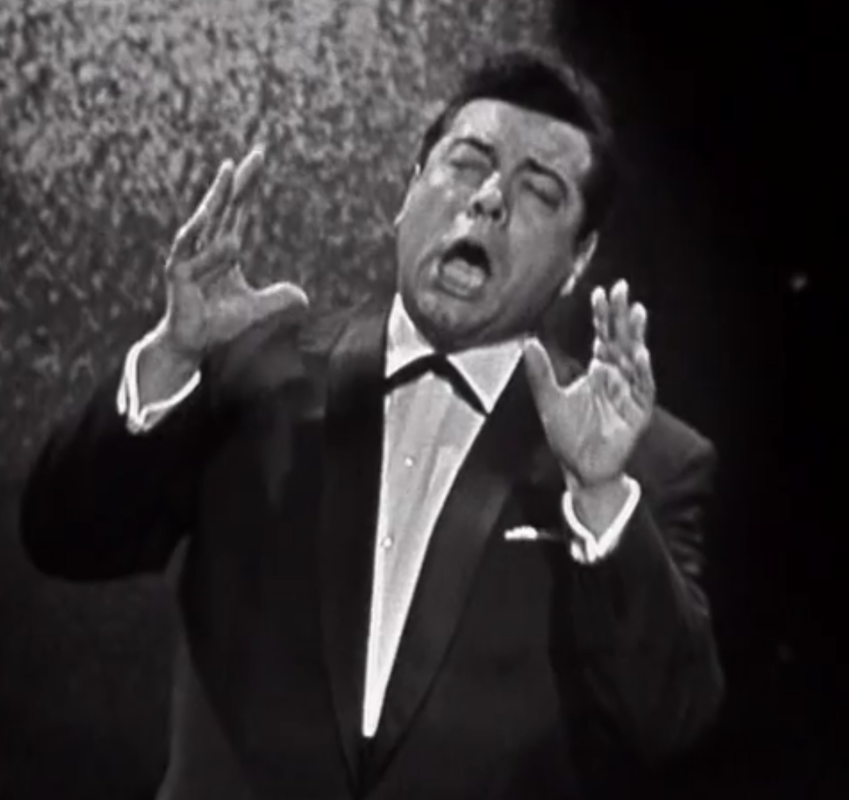
1958: The Final Tour: Lanza Performs Throughout the UK and on the European Continent
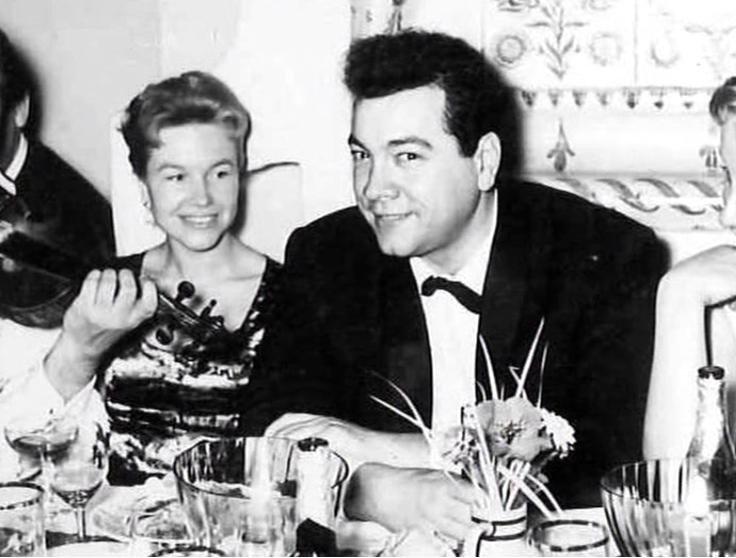
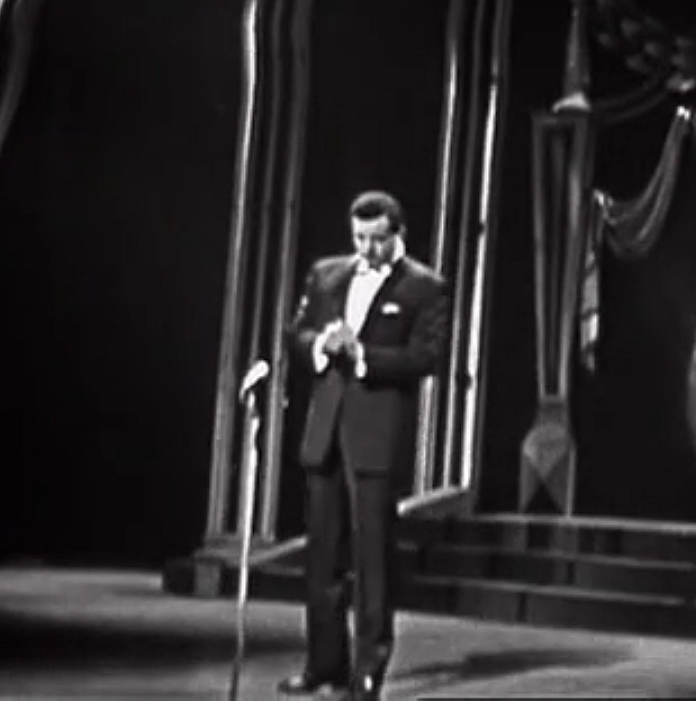
Fresh on the heels of his acclaimed performances at the London Palladium in November 1957, Lanza embarked on his first recital tour in seven years. Although the sold-out tour was marred by many cancellations—many of them due to a serious bout of phlebitis that afflicted Lanza in the third week—the tenor still managed to perform the same number of recitals (22) that he had given on his memorable 1951 tour.
Critical response in the United Kingdom was often excellent, while some of the Continental reviewers faulted the tenor on stylistic grounds. All were in agreement, however, that Lanza possessed an extraordinary voice. As conductor Richard Bonynge, who with his wife Joan Sutherland attended one of the tenor's two recitals at London's Royal Albert Hall, later observed: "No doubt [Lanza] could have had an outstanding operatic career." [For press reviews, photos and Lanza's 1958 recital program, click here.]
The 1958 tour constituted Lanza's final performances in public. During the remaining eighteen months of his life, he considered further concert tours, including offers from such distant countries as South Africa, Australia and New Zealand, and also discussed his return to opera with Riccardo Vitale, Artistic Director of the Rome Opera House. A one-off performance as Canio in Leoncavallo's Pagliacci was tentatively scheduled for that theatre's 1960-1961 season, with provision made for further appearances if the first was successful. Lanza appeared enthusiastic at the prospect of returning to opera—"his only true love," according to conductor Peter Herman Adler, who visited him in Rome in the summer of 1959 and noted the tenor's daily workouts with an operatic coach. Barely four months later Lanza was dead.
View Performances
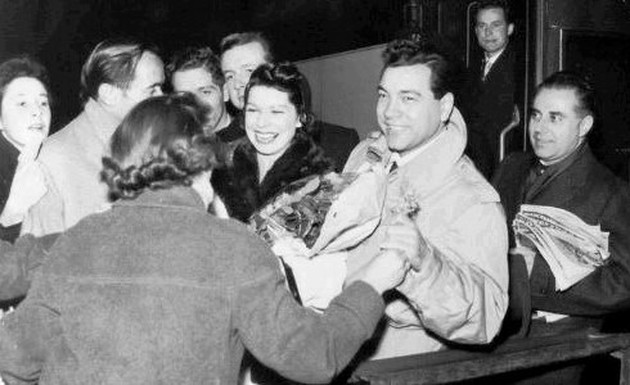
Lanza arriving at Victoria Station, London, November 14, 1957. Betty Lanza and Peter Prichard are on his immediate right; Constantine Callinicos is the man behind him holding a newspaper.