A Mario Lanza Musical Who's Who
by Derek McGovern
Mini-Biographies of Musicians, Coaches, Opera Producers, and Selected Singers Associated with Mario Lanza

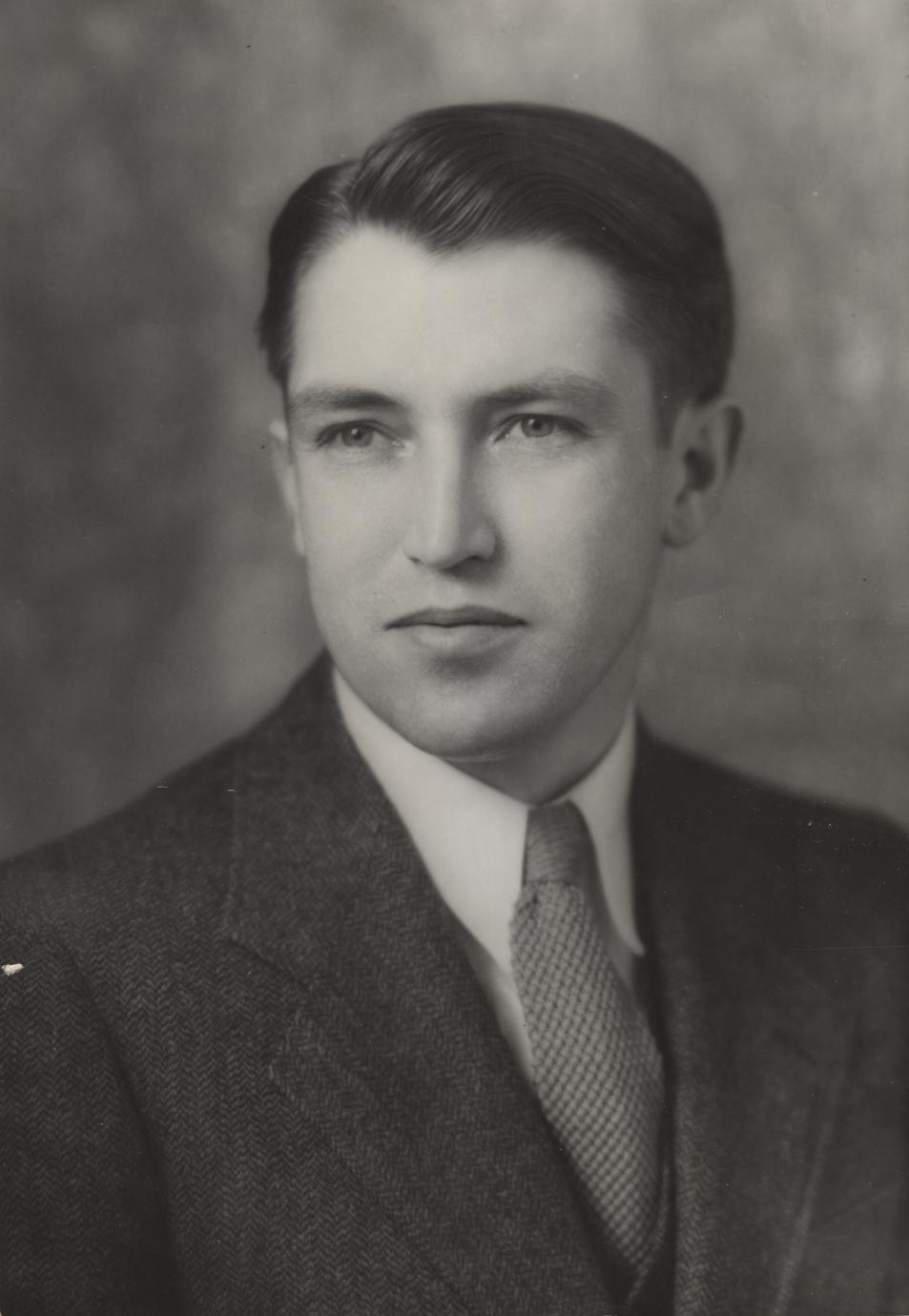
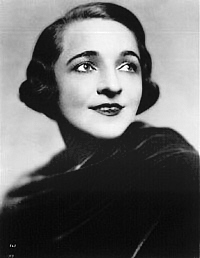
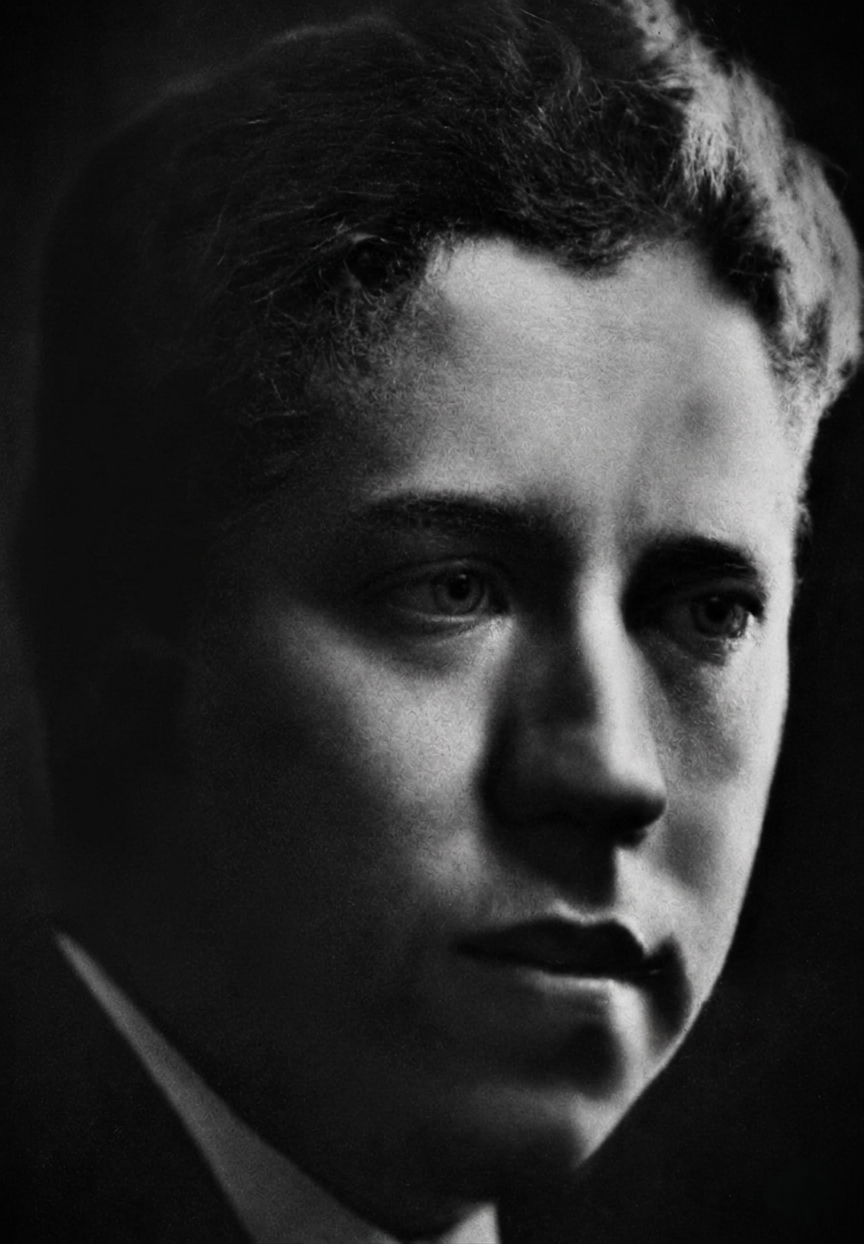
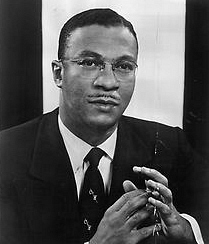
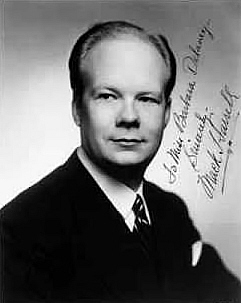
Leonard De Paur in 1956
A high school dropout, de Paur later studied music at Columbia University and the Institute of Musical Arts (now Julliard School of Music) under the mentorship of Hall Johnson, noted African American composer. As musical director of the Negro Unit of the Federal Theater Project during the Depression, de Paur was instrumental in expanding racial integration in the performing arts. Speaking of his time with the Federal Theatre Project, de Paur stated, "What years they were...A whole manner of things never attempted before in theater bloomed there!"
Critically acclaimed as a choral conductor, composer and arranger, de Paur also created works and conducted orchestral and operatic productions after World War II as well as projects on Broadway and on television. During the 1960s, his de Paur chorus toured globally, including numerous concerts in Africa under the auspices of the US Department of State. "Music was the oxygen in which I existed," he told an interviewer. [Obituary for de Paur here.]


He later founded the Ottawa Philharmonic Orchestra, with which he conducted Lanza at a very well-received concert on November 13, 1946. ("[The audience] screamed and stamped and cheered," wrote the concert's promoter the following day. "It was impossible for him to leave. He was even forced to repeat one of his encores.") Dr. De Ridder was subsequently quoted as saying that he had never worked with a more "wonderful" soloist than Lanza. [Link here.] Reviewing their concert the following day in the Ottawa Citizen, Lawrence Thistle singled out the tenor's rare "golden quality," melodiousness, "purity of tone," range and vocal power.
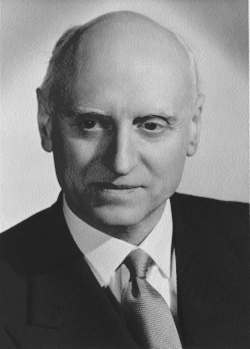

Earl Denny with Lanza in the 1950s


Leila Edwards in the 1940s

It was on Agnini's advice that Lanza studied the role of Pinkerton with Leila Edwards for the New Orleans Opera Association's 1948 production of Puccini's Madama Butterfly. Edwards worked for four months with Lanza, and recalled years later that the tenor possessed an “instinctive” ear for phrasing that made him a quick study, a “magnificent” voice of “limitless power,” and that he had been a “perfect gentleman” with whom she never encountered any problems. “I didn't travel to New Orleans to hear him in Butterfly,” she added, “because I thought it was only a matter of time before I'd see him at the Met.”
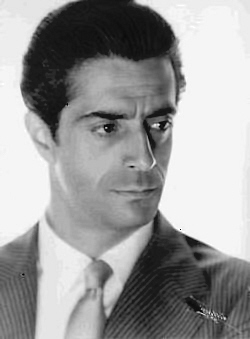
Ferrara was much admired by Herbert Von Karajan, who freely acknowledged that his own rise to the top of his profession was made easier by Ferrara's early retirement. (Ferrara did, however, continue to conduct in the recording studio.) Among his pupils were renowned conductors Riccardo Chailly and Riccardo Muti. In December 1958, Ferrara worked with Lanza, conducting what is generally regarded as the tenor's finest studio album, a collection of Neapolitan songs released as Mario! (and as Canzoni Napoletane in Italy). Nearly twenty years later, Ferrara recalled that Lanza had been “vocally extraordinary with a voice that had both steel and warmth”—“a Caruso-type voice”—and that “he possessed a great musicality.”
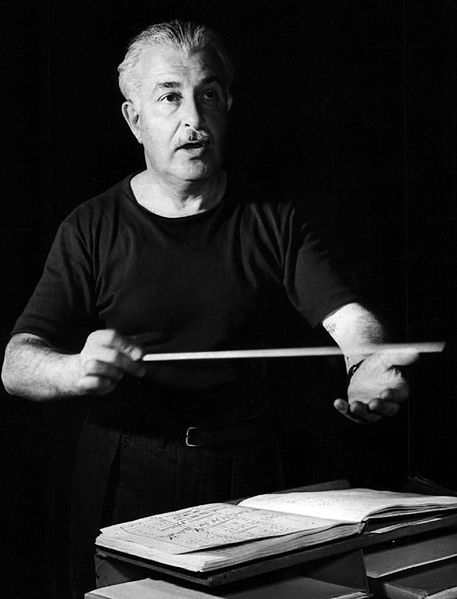
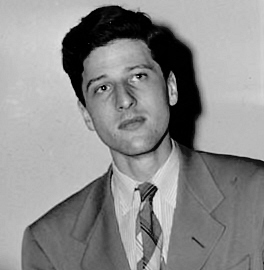
Lukas Foss in 1944
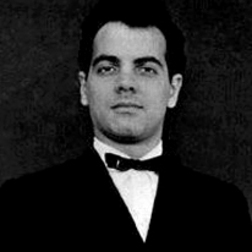

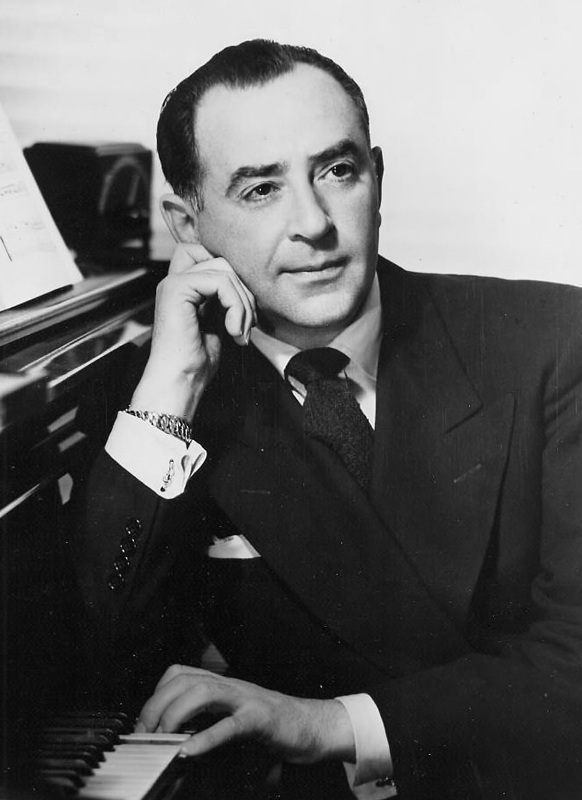
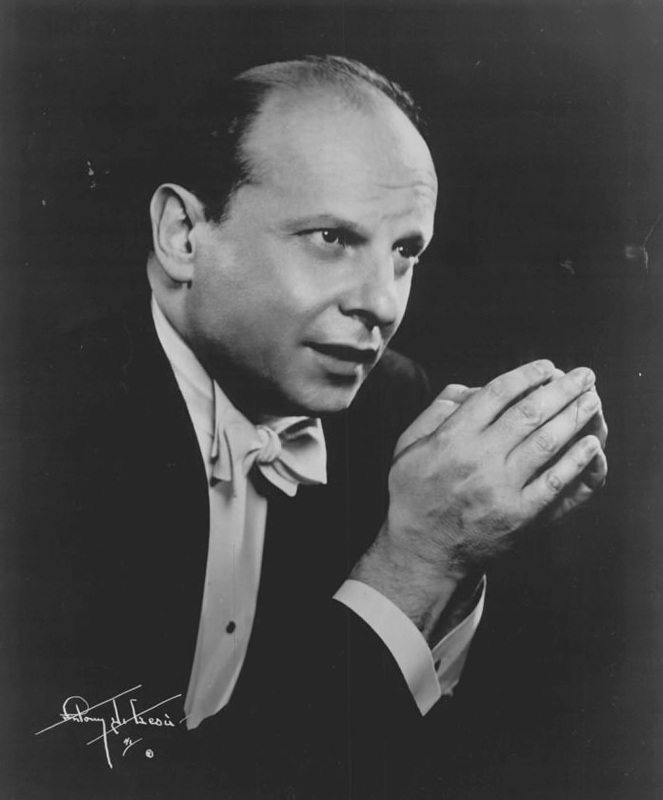
Goldovsky conducted Lanza in his operatic debut (in the role of Fenton) in Nicolai's comic-fantastic opera The Merry Wives of Windsor at the Berkshire Festival on August 7th and 13th, 1942, and again in his second performance of a special staging of Act III of Puccini's La bohème that same month. He was also one of several coaches who worked with the tenor at the Festival.
In his 1979 memoir My Road to Opera, Goldovsky was harshly critical of the 21-year-old Lanza's personality and inability to read music (and went on to make the bizarre and easily refuted claim that his operatic recordings were the product of studio trickery). He did, however, grudgingly acknowledge that the tenor possessed a voice that was “gorgeous, unforgettable [and] out of this world,” and that he “scored a great hit with the audience when he sang the serenade from the second act [of Nicolai's opera].”
Moreover, Goldovsky's claims that Lanza was “unteachable”—and that he therefore had no future in opera—are contradicted not only by many other conductors and coaches who subsequently worked with the tenor, but by the testimony of the former's own colleague at the Festival, Herbert Graf (see below), who was responsible for staging The Merry Wives of Windsor.
For a fuller discussion of Goldovsky's claims about Lanza, click here.
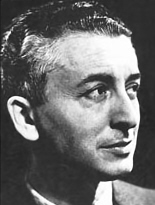
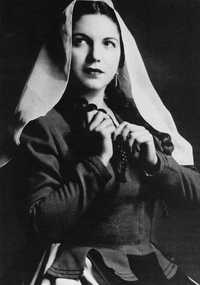
She later taught voice at the National Conservatory of Music of Mexico, where she became the teacher of tenor Francisco Araiza (1950- ). González (as Mimì) and Lanza (as Rodolfo) twice sang the respective roles of Mimì and Rodolfo, together with baritone James Pease as Marcello and sopranos Laura Castellano and Sheila Vogelle alternating as Musetta, in a special staging of Act III of La bohème at the Tanglewood Music Festival in July and August 1942. Music critic Jay C. Rosenfeld subsequently reported in the New York Herald-Tribune that, “Miss Gonzales [sic] as Mimi and Mario Lanza as Rodolfo were conspicuous by the beauty of their voices and the vividness of their characterization.”
Interesting side note: On October 17, 1960, González sang the role of Mimì opposite Giuseppe Di Stefano as Rodolfo in a production of La bohème at the Teatro Florida, Mexico. The 19-year-old tenor who sang the small role of Parpignol that evening was Plácido Domingo.
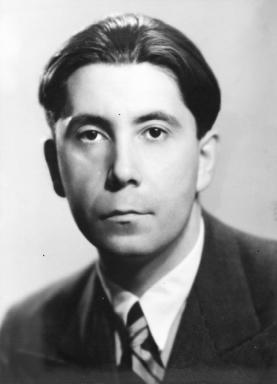
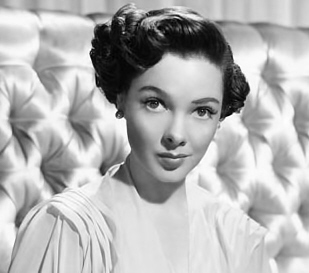
In the 1960s, she ventured into occasional operatic appearances, and also appeared in stage productions of operettas and musicals. Grayson co-starred with Lanza in the tenor's first two films, That Midnight Kiss (1949) and The Toast of New Orleans (1950), and also appeared in concert with him at the Hollywood Bowl on June 24, 1948, singing “Thine Alone” from Eileen and “O soave fanciulla” from La bohème in duet. In addition, Grayson and Lanza performed on radio together in 1949, and also sang in public that same year as part of a promotional tour for That Midnight Kiss.
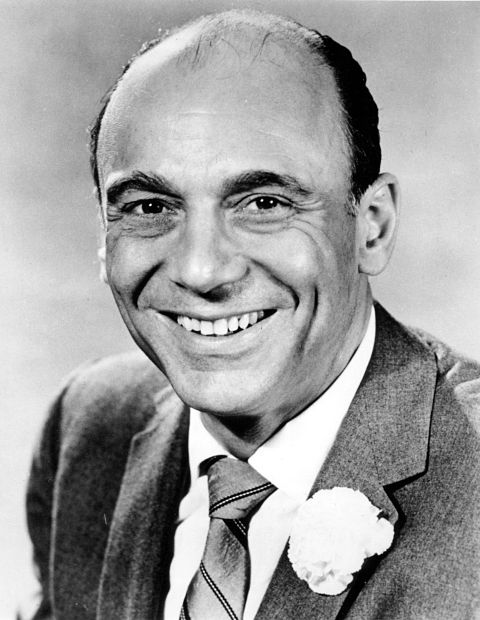
John Green in 1965
He worked with Lanza from 1949 to 1952 on three MGM films: The Toast of New Orleans, The Great Caruso, and Because You're Mine. Among their most notable collaborations were Agustín Lara's “Granada” and the Finale from Cavalleria rusticana, both of which were recorded for Because You're Mine. Lanza also recorded two of Green's compositions: “The Trembling of a Leaf” in 1952 and “Never Till Now” in 1957. In a 1977 interview with leading Lanza biographer Armando Cesari, Green stated that, “I was convinced when I was working with Mario [Lanza], and I still am, that the instrument itself—the voice itself—was the voice of the next Caruso. Mario had an unusual—very unusual—quality . . . a tenor with a baritone color in the middle and lower registers, and a great feeling for the making of music. A great musicality. I found it fascinating, musically, to work with Mario.”

Herbert Grossman in 2008
He also conducted the Bavarian State Opera for two years and served as Associate Conductor of the Munich Philharmonic. In addition, he served as assistant in the early 1950s to the legendary Italian conductor Arturo Toscanini (1867-1957) during the latter's tenure with the NBC Symphony Orchestra. In June 1948 Grossman accompanied Mario Lanza, soprano Frances Yeend, and bass-baritone George London (and other singers) on the piano in a private performance of an extract from Act IV of Puccini's La bohème. [Read about that performance and an interview with Maestro Grossman here].
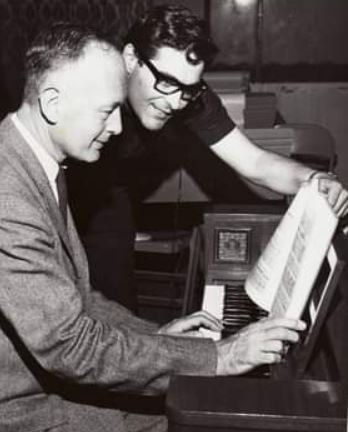
Vernon Hammond at the piano with New York City Opera director Tito Capobianco