A Mario Lanza Musical Who's Who
by Derek McGovern
Mini-Biographies of Musicians, Coaches, Opera Producers, and Selected Singers Associated with Mario Lanza

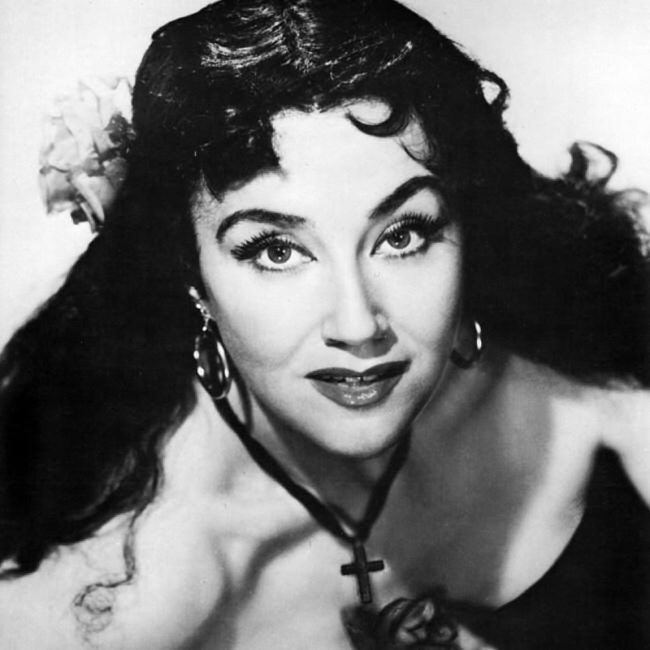
One of her signature roles was Amneris in Verdi's Aida, a part she portrayed in the “O terra addio” scene with Lanza and Dorothy Kirsten in the film The Great Caruso. Thebom also appears in several other scenes in the film with Lanza, including a snippet from “Bella figlia dell'amore” from Verdi's Rigoletto and the complete Sextet from Donizetti's Lucia di Lammermoor (together with Kirsten, baritone Giuseppe Valdengo, bass Nicola Moscona, and tenor Gilbert Russell). Thebom's opinion of Lanza's vocal talent can be read here.
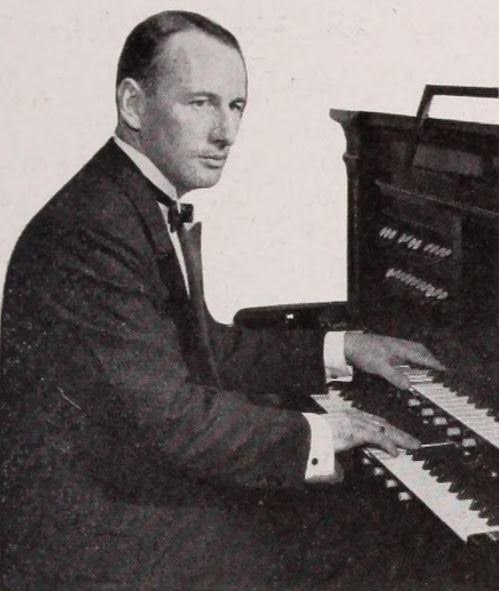

Between 1947 and 1950 Valdengo participated in several concert performances of operas conducted by Arturo Toscanini for NBC radio, all of which have been released commercially. Also in 1950, Valdengo was one of a group of Metropolitan Opera singers who appeared in various operatic sequences of the MGM film The Great Caruso. Valdengo sings with Lanza in two operatic montages, together with a scene featuring the complete Sextet from Donizetti's Lucia di Lammermoor, in which mezzo-soprano Blanche Thebom, soprano Dorothy Kirsten, bass Nicola Moscona and tenor Gilbert Russell also appear. After recording the Sextet, Valdengo and Moscona reportedly embraced Lanza, and urged him to join them as a colleague at the Metropolitan Opera. [Two photos of the Sextet recording session can be viewed here]

Riccardo Vitale with his daughter, actress Milly Vitale, 1960
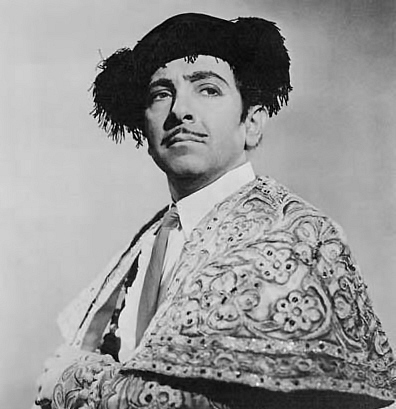
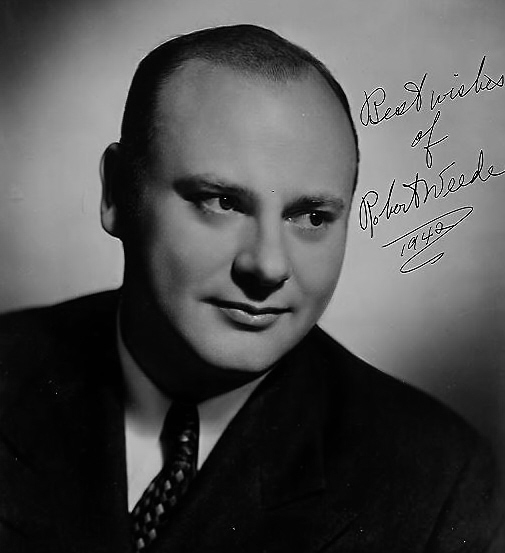
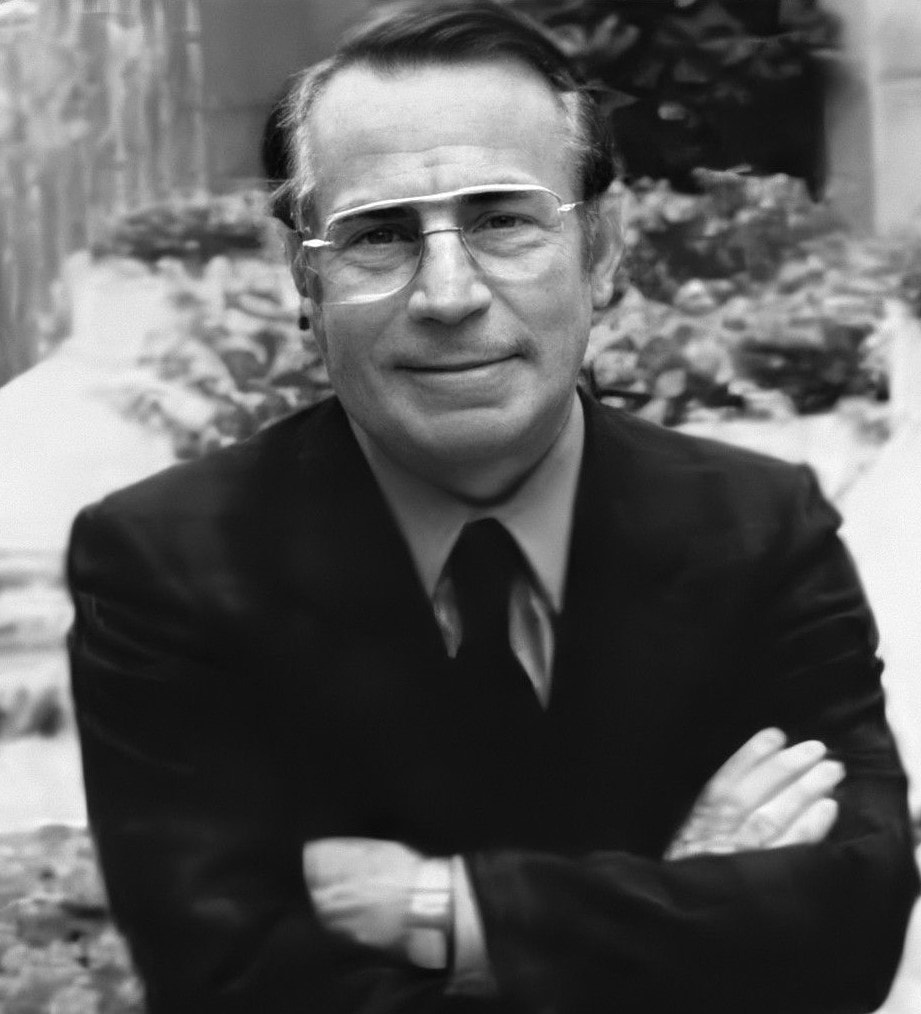
Weede was also popular on Broadway in several works, most notably in Frank Loesser's The Most Happy Fella. Assigned by Columbia Artists Management in 1942 to act as a mentor to Lanza, Weede became a friend to the tenor, introducing him to important personalities in the music world and working on him with his vocal technique.
Lanza's voice studies were interrupted by army service in 1943, but on his discharge in 1945 he resumed his studies with Weede, who in turn introduced him to repertoire coaches. It was also on Weede's instigation that Lanza was chosen as a temporary replacement for tenor Jan Peerce on the CBS “Great Moments in Music” radio program. Weede performed alongside Lanza on three occasions on the live show, most notably in the duet “Golden Days” from Romberg's operetta The Student Prince. These performances have survived, together with a private (and primitively captured) 1942 recording of Weede, Lanza and soprano Lois MacMahon singing “Marcello Finalmente” from Puccini's La bohème.
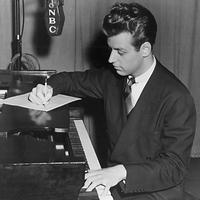
In an interview a few years before his death at the age of 94, the then still-active Wild reminisced about the tenor: “I lived downstairs from Mario Lanza for a time on West 49th street. He was a most attractive person, radiating charisma, and his voice was beautiful, but he was always embarrassed by his lack of musical education. He had a nervous psyche, and the film studios pushed him too quickly.”
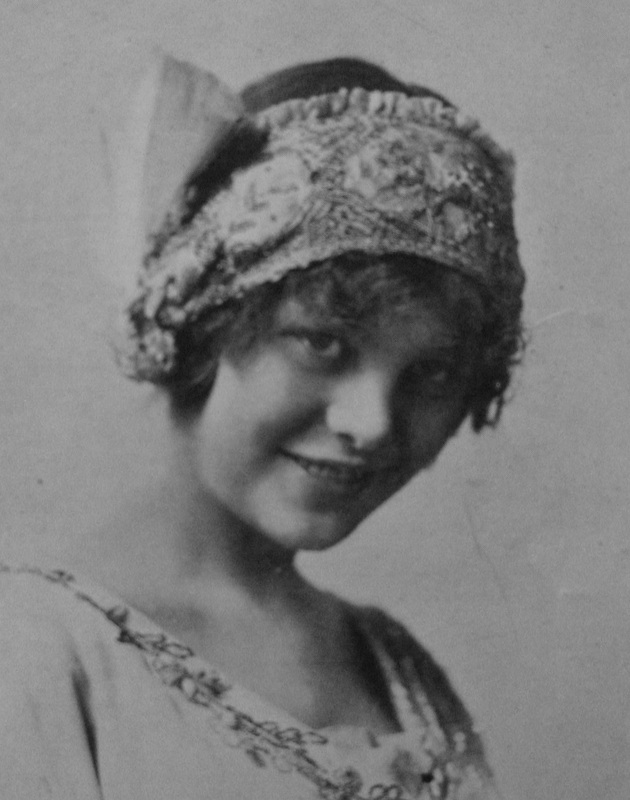
Irene Williams in her younger days
She was also the first of many people to exploit the gullible side of Lanza's nature, persuading him to sign a contract (as he departed excitedly for his studies in Tanglewood in July 1942) that guaranteed her 10% of his future singing income in excess of $7500 per year. She later sued Lanza for breach of contract, but received only a paltry $10,000.
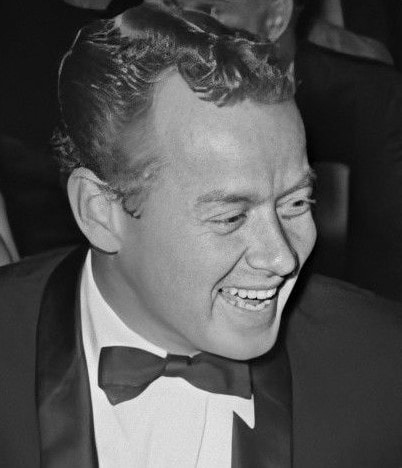


Yeend and Lanza first met in December 1945, when they performed together on a live radio broadcast of excerpts from Lehmann's In a Persian Garden. The following year, they began singing concerts together, and their repeated success with audiences and critics ultimately led to the formation of the Bel Canto Trio in 1947.
Together, Yeend, Lanza and bass-baritone George London toured the United States, Canada and Mexico, singing a reported 86 concerts between July 1947 and May 1948. “I loved singing with Mario,” Yeend recalled on the 1983 documentary Mario Lanza: The American Caruso. “It was a warm voice, and yet it also had a great thrill to it, especially at the top of the voice. And he never spared the horses—he just let it loose!”
On August 28, 1947, Yeend and Lanza sang a rapturously received concert at the Hollywood Bowl with Eugene Ormandy conducting, and it was here that the tenor came to the attention of MGM mogul Louis B. Mayer, who promptly signed the young singer to a seven-year film contract. The complete Yeend-Lanza-Ormandy concert is available on CD, and the highlights can be heard on the disc accompanying the 1st and 2nd editions of Armando Cesari's Mario Lanza: An American Tragedy.

Lanza recording the Sextet from Donizetti's Lucia di Lammermoor on 23 August 1950 at MGM Studios with conductor Peter Herman Adler and (from left to right) tenor Gilbert Russell, soprano Dorothy Kirsten (partially obscured), mezzo-soprano Blanche Thebom, baritone Giuseppe Valdengo, and bass Nicola Moscona.