A Mario Lanza Musical Who's Who
by Derek McGovern
Mini-Biographies of Musicians, Coaches, Opera Producers, and Selected Singers Associated with Mario Lanza


Ray Heindorf (right) with Renata Tebaldi and Mario Lanza, October 1955

The sessions for this film produced some of Lanza's finest operatic singing, including a superb rendition of the Monologue from Verdi's Otello. Heindorf was also present when renowned soprano Renata Tebaldi (1922-2004) visited Lanza on the set of Serenade. Years later he recalled that after watching a screening of musical selections from the film, “Tebaldi was so overcome by Mario's singing that she was moved to tears, and embraced him fondly.”
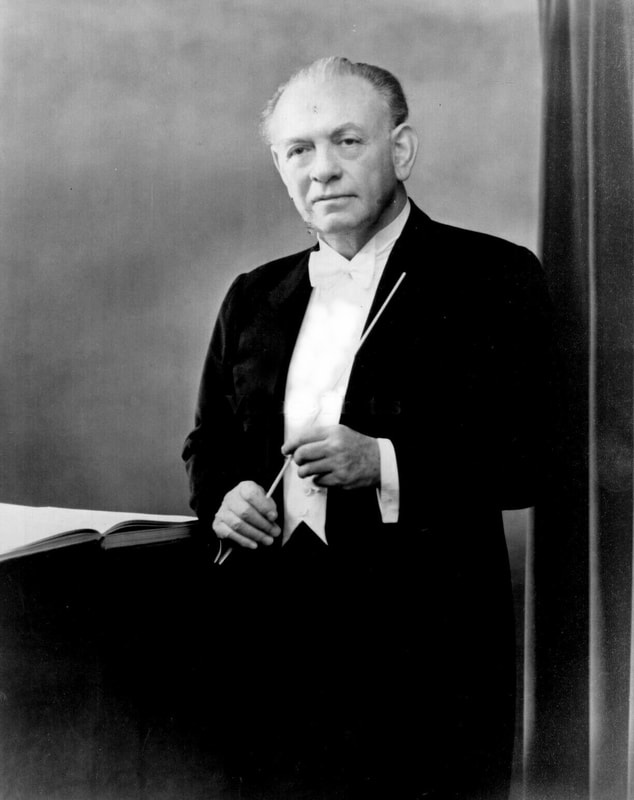
Herbert conducted Lanza in his professional operatic debut (as Pinkerton) in Puccini's Madama Butterfly for the New Orleans Opera Association on April 8 and 10, 1948. Writing in the St. Louis News, reviewer Laurence Oden wrote that “Lanza performed his duties as Lieut. Pinkerton with considerable verve and dash. Rarely have we seen a more superbly romantic leading tenor. His exceptionally beautiful voice helps immeasurably.”
Herbert promptly invited Lanza to return to New Orleans the following year as Alfredo in Verdi's La traviata (opposite soprano Eleanor Steber), but the tenor subsequently turned down the offer, presumably because the time constraints of his (by then) burgeoning film career prevented him from learning the role.
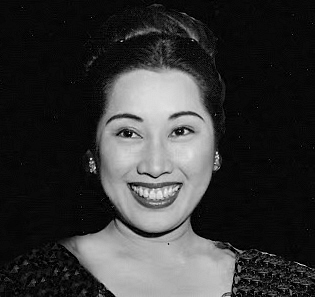
Kanazawa had fond memories of her brief time with Lanza, whose voice she recalled as “an exceptionally beautiful lirico-spinto.” Her own voice in its prime has been described as “delicate, clear” and with “a bell-like ringing in the higher register.” Reviewing one of her appearances as Butterfly in 1954, Louis Guzzo wrote in the Seattle Times that, “Miss Kanazawa is a native of California, but she makes profits by her Japanese ancestry. Every move she makes bears the mark of genuine and realistic execution. From the flutter of the fan to a reverential bow, she is truly Butterfly, the most convincing in the long line of sopranos who have interpreted the role.”
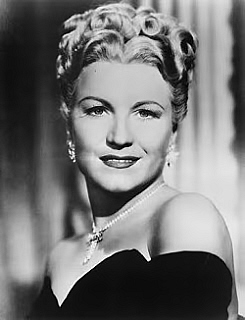
In the 1983 documentary Mario Lanza: The American Caruso, Kirsten stated that Lanza had “sounded fantastic” during their recordings for the film, and that, "he could have sung in any opera house in the world." She added that, had he dedicated himself to his operatic studies, "Mario Lanza probably could have been the American Caruso."
Kirsten also sang in concert with Lanza in San Rafael on June 27, 1948.
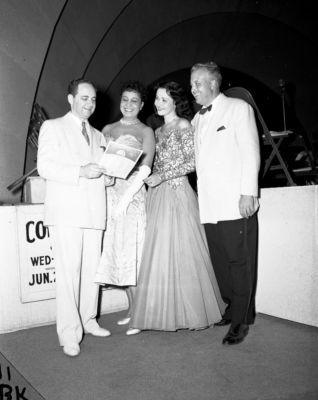
Leo Kopp (far left) in 1951
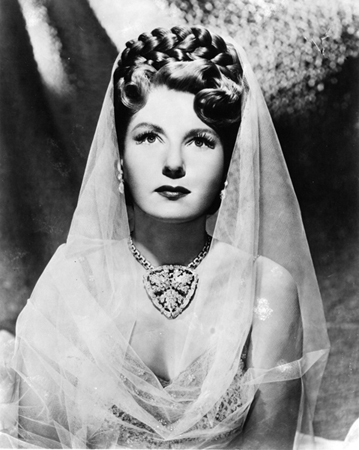


In March 1942, the then 21-year-old Lanza (who at that time was still using his real name of Alfred Cocozza) auditioned for Koussevitzky at Philadelphia's Academy of Music, promptly earning a scholarship from the conductor to study at Tanglewood in the summer of that year. It was while in Tanglewood, as he underwent rigorous preparation for his performances as Fenton in Nicolai's comic opera The Merry Wives of Windsor, that Lanza was told by Koussevitzky, “Yours is a voice such as is heard once in a hundred years.” [Source: Leonard Bernstein: The Man, His Work and His World, by John Briggs (World Publishing, 1961, p.55)]
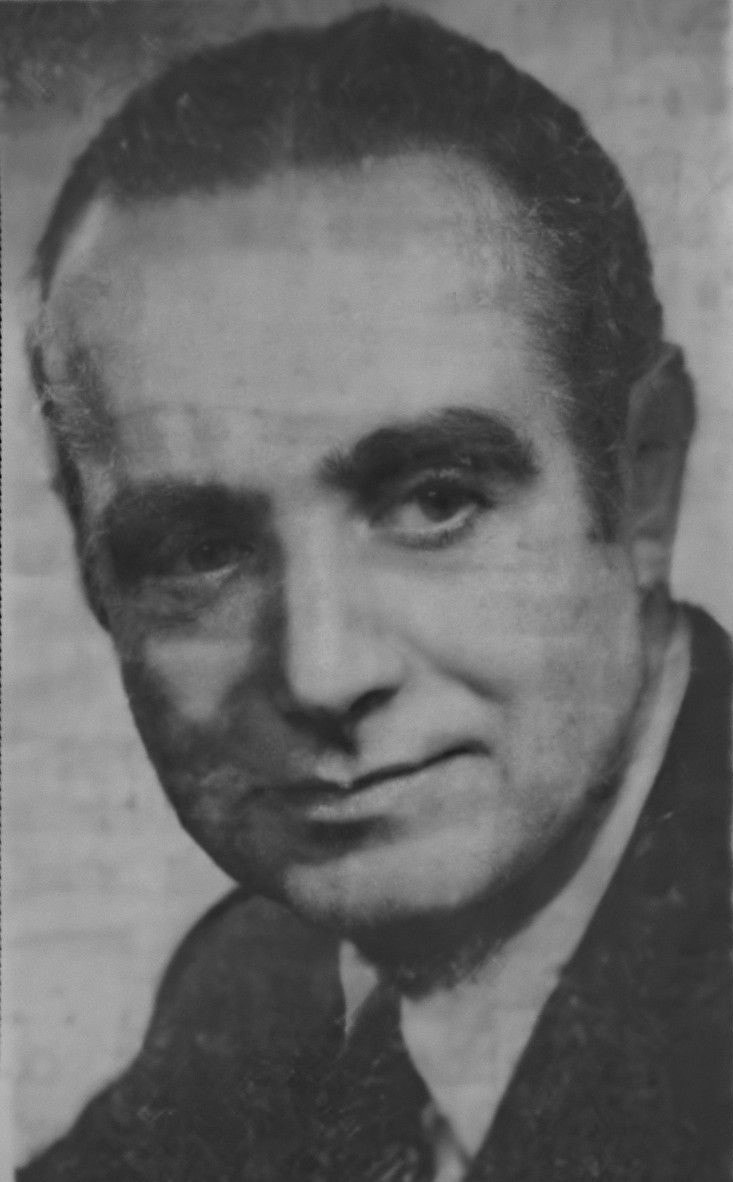
Lehmann in 1960
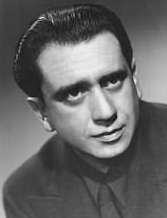
These included a program of excerpts from Puccini's Tosca (with soprano Jean Tennyson), a show dedicated to the songs of Irving Berlin, and an evening of highlights from Romberg's The Student Prince (with soprano Winifred Smith and baritone Robert Weede). Levin may also have been the conductor for Lanza's second appearance on the show on 7 November 1945, when he sang, among other things, Ernest Charles's "The House on the Hill," a song that later became a staple of his recital program. (Charles was the producer of "Great Moments in Music" at the time.)


Equally at home in the German, Russian, French and Italian repertoire, London was also renowned for the roles of Scarpia in Puccini's Tosca, the title role in Mozart's Don Giovanni, and Wotan in Wagner's Der Ring des Nibelungen (or the Ring Cycle), among others.
Lanza and London first met in 1944, becoming instant friends and fervent admirers of each other's vocal talent. It was on Lanza's recommendation that Columbia Artists Management, who represented the tenor, invited London to tour with him as part of the Bel Canto Trio, together with soprano Frances Yeend. The acclaimed Bel Canto Trio tour began in Milwaukee on July 8, 1947, and ended in Moncton, New Brunswick, on May 27, 1948.
One of the reported highlights of the Trio's regular program, which included a substantial amount of opera, including trios from Verdi's Simon Boccanegra, Mozart's The Magic Flute, and Gounod's Faust, was Lanza's and London's rendition of the duet “Ecco, il magico liquore” from Donizetti's L'elisir d'amore. Regrettably, however, the only existing recording of Lanza and London together is a private performance of part of Act IV of Puccini's La bohème. [Listen to this recording here.]
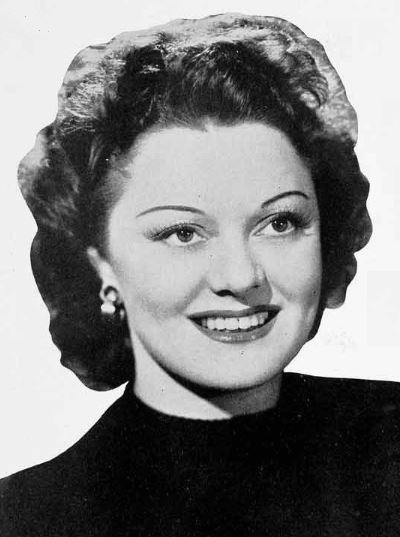
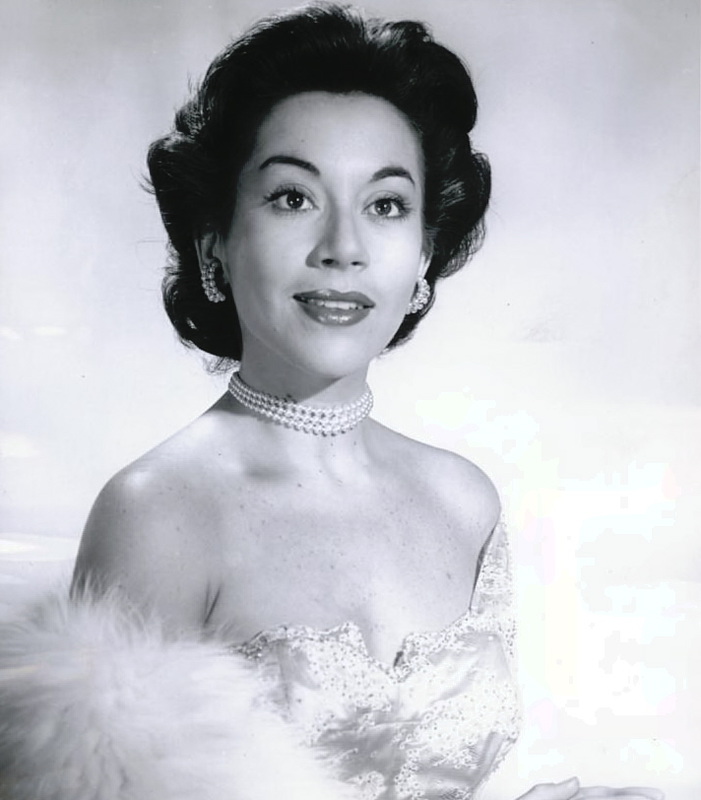
Elaine Malbin in 1956
These were the Act I duet from Puccini's Madama Butterfly and "Libiamo, libiamo, nei lieti calici" from Verdi's La traviata. Both have been released commercially, together with an alternate take of the La traviata duet. (An unreleased first take of their Butterfly duet also exists.) Although neither duet found Lanza in top form, Malbin considers herself fortunate to have recorded with him, and has only pleasant memories of a "very sweet and very charming" man. At the Met Guild Tribute to the tenor in 2005, she recalled Franco Corelli telling her that Lanza had possessed "the voice of the [twentieth] century."


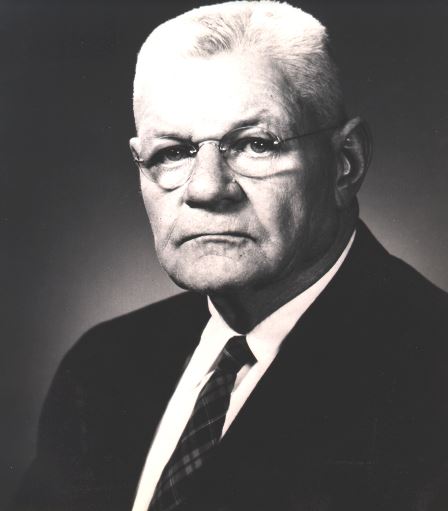
Among the selections Lanza performed at the concert were Ciampi-Motti's "Tre Giorni Son Che Nina," "M'apparì" from Von Flotow's Marta, Mellish's "Drink to Me Only with Thine Eyes," and "For You Alone."
Interesting aside: In an email to Stefanie Walzinger in October 2013, Steve Metcalf, the conductor's grandson, revealed that Lanza had stayed with his grandfather and his family during his time in Erie. The Metcalfs remembered Lanza as "a very gregarious house guest, who kept everyone up late with stories and conversation."
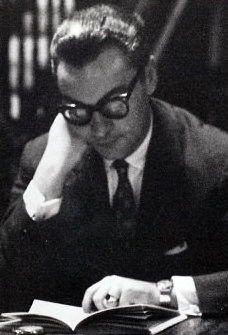
Mohr also produced two of Lanza's recording sessions in February 1951, one of which resulted in the tenor's second million-selling single, “The Loveliest Night of the Year.” Years later, Mohr was asked about Lanza's weight problem, and its impact on his RCA sessions: "The magnificence didn't change. The problem was one of energy. When Mario was heavy, he felt he could sing as much as he wanted, so he would do numerous 'takes' for us. When he was thin, one 'take' was all he would do. The orchestra was always well rehearsed and we got spontaneous performances from Lanza. Either way he was fine——it was just that he was more comfortable heavy."
Mohr also admired Lanza's singing on his 1958 album of Neapolitan songs, Mario!——even sending him a congratulatory telegram in Rome after hearing the master tapes——and subsequently wrote the liner notes for the release of this classic LP in 1959. Privately he told Lanza: "You and [conductor Franco] Ferrara certainly cooperated beautifully, and I have seldom heard you sing better than this. I know the record will be a success, if only on the basis of something like 'Dicitencello Vuie' or 'Passione,' although all twelve songs are beautifully done."
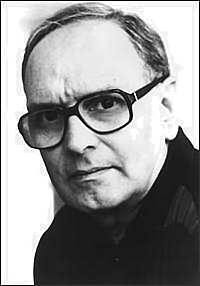
He also contributed to the arrangements for the 1959 album Lanza Sings Christmas Carols. Morricone's arrangements of Neapolitan songs on the Mario! album are generally much admired for their intelligence, creativity, and seeming inability to date (intrusive “angelic” choir on the otherwise beautifully crafted “Voce 'e Notte” notwithstanding).
In his 2016 book of reminiscences Inseguendo Quel Suono: La Mia Musica, la Mia Vita, Morricone confirmed that he was present at the Mario! album sessions.
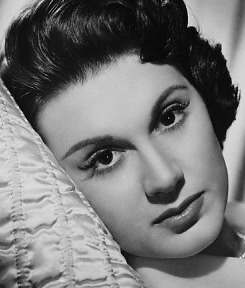
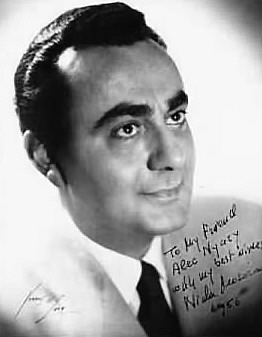
Peter Herman Adler was the conductor, and the recording was made for the soundtrack of the 1951 MGM film The Great Caruso. Moscona appears in the film's staged recreation of the Sextet (with his fellow singers), and also appears (fleetingly) in the Consecration scene from Verdi's Aida early in the film, together with a staging of the Finale from Von Flotow's Marta at the end of the movie. According to Lanza's close friend Terry Robinson, Moscona told the singer's father that his son was the best tenor with whom he had ever sung.
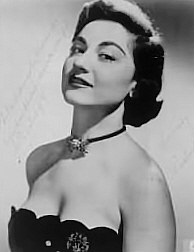

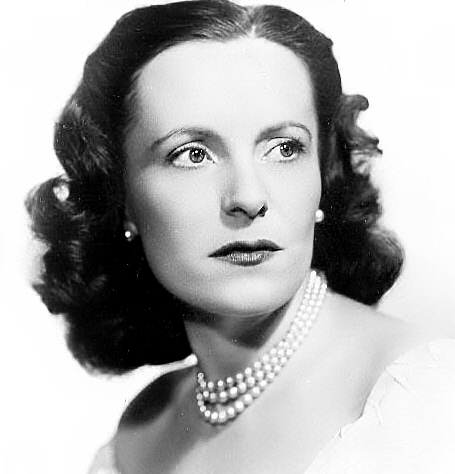
Novotná also acted in occasional films, including The Search (1948) and The Great Caruso (1951). For the latter film, in which she plays the small role of a haughty operatic diva, Novotná recorded the duet "È il sol dell'anima" from Verdi's Rigoletto with Mario Lanza. Sadly, neither this recording nor the accompanying scenes (which were filmed, as surviving photos reveal) were included in the released version of the movie.
However, two recordings from their 1950 session exist: a rehearsal version, in which Lanza sings in mezza voce, and a complete take in full voice. These two recordings are featured on the 2022 Sepia Records CD The Undiscovered Mario Lanza.
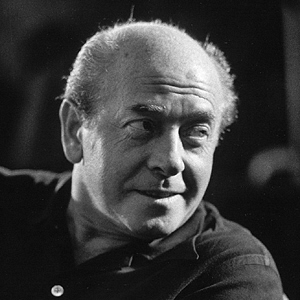
As a guest conductor with the Hollywood Bowl Orchestra, Ormandy conducted Lanza and soprano Frances Yeend at a concert in the Hollywood Bowl on August 28, 1947. The concert was broadcast, and can be heard in its entirety on CD in remarkably good sound. Lanza was in exceptional form (both vocally and stylistically) that evening, and the resulting combination of critical and popular acclaim helped persuade MGM Studio Head, Louis B. Mayer, who was present at the concert, to sign the 26-year-old tenor to a seven-year contract, ultimately changing the course of his career (and his life).
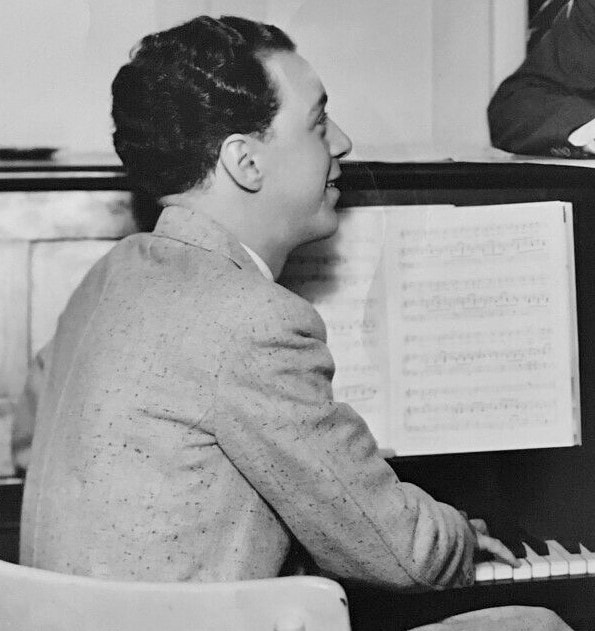
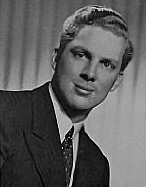
In 1942, while at the Berkshire Music Festival in Tanglewood, Pease sang two performances as Falstaff in Nicolai's The Merry Wives of Windsor. Lanza sang the tenor role of Fenton in this production, and the two singers also appeared together in Tanglewood that year in two performances of a special staging of Act III of Puccini's La bohème (along with sopranos Irma González and Laura Castellano).
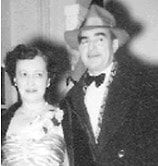
Rodolfo Pili and Gloria Marion
Pasquale Rodolfo Pili was born in the town of Tornareccio, part of the province of Chieti in Abruzzo, the same region where Lanza's mother was born. His tenor voice was variously described in US articles published between 1916 and 1920 as "mellow" and "brilliant." A member of both the Manhattan and Metropolitan Opera companies by his early 20s, Pili also served with distinction in Italy during World War I (Washington Times, 5 October 1916), rising to the rank of commanding lieutenant of an artillery battalion. On his return to the US, he sang lead roles with New York's Puccini Grand Opera Company before forming his own opera company. Pili also served as conductor/director of the YMCA Opera Company, which was situated on Philadelphia's Broad and Pine Streets.
While in his late teens, Lanza began studying with Pili, who coached and cast him in a number of (amateur) roles with the YMCA and Apollo Opera companies. These included the part of Contino Del Fiore in Federico and Luigi Ricci's seldom-performed Crispino e la comare (1850). According to Lanza's close boyhood friend Eddie Durso, the budding young tenor intensely disliked Pili's "type of training," feeling that it was ruinous to his voice, and on one occasion attempted to steal Pili's violin in retaliation. Durso recalled the teenaged Lanza vowing, "He's taking away my most prized possession from me: my voice. [So] I'm going to take his most prized possession: his violin."
Side note: Pili is credited as choral director on a series of 1928 recordings with renowned tenor Giovanni Zenatello (one of which also includes a duet with the latter and Gloria Marion).