October 7
by Emilio Iodice
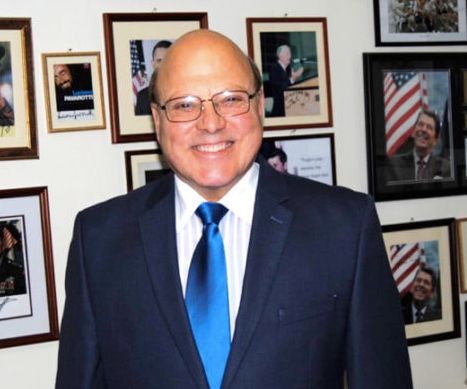
Emilio Iodice
|
Headlines around the world read: “The Golden Voice is Stilled,” “Greatest Voice of the 20th Century Dies,” “Artist Who Brought Opera to the People is Gone,” “King of the High Cs Dies in Italian Hospital.” Eulogies praised the magnificent talent, the enormous popularity he enjoyed, and how he inspired so many young artists to sing.
The headlines that announced Pavarotti’s passing were similar to those that leaped across the globe about Mario Lanza when he died after only being on world’s stage for a decade. In those brief ten years, Lanza became one of the world’s most renowned artists, recording arias and popular songs still heard today, starring in seven Hollywood movies, performing in more than 150 concerts, and ranking as one of the highest paid and sought-after performers of his era. Nearly 50 years after his death, Lanza continues to capture the imagination of successive generations of music lovers. His fan clubs circle the globe. Scholarships, festivals and tributes honor him everywhere great voices are appreciated. His name appears on the internet each day. A new CD has appeared nearly every year with a collection of his work, keeping him among the ranks of the best-selling classical performers. Lovers of opera and fine music debate his qualities, but no one denies that he was among the most remarkable singers of all time. That “Golden Voice,” which tabloids and news reports broadcast about from one corner of the globe to another, was not silenced now but left us more than sixty years ago. But of all the extraordinary voices, what was unique about that of Mario Lanza? 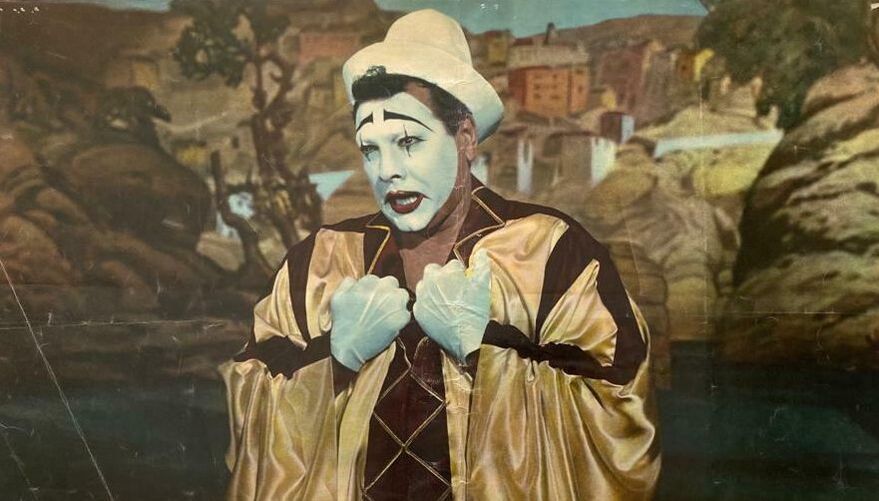
The Charisma of Lanza
The grand tenors – Caruso, Pertile, Gigli et al – each had qualities that are incomparable. Of them all, Caruso is the one most frequently hailed as the greatest tenor of the first half of the 20th Century.
Lanza had the charismatic qualities and creative skills of the greatest of tenors and the greatest of popular singers. He had a “natural” tenor voice that came with energy, drama, purity and passion. His mezza voce, combined with his extended range and impressive volume, afford him a special place among the greats.
And while musical tastes have changed considerably in six decades, Lanza’s quality and ability to “crossover” from the popular to the classical in a disarmingly masterful way is still a phenomenon that continues to attract fans from across the globe. His Range and Scope
Critics claimed that he “shouted” and overused his gift and lacked the discipline of the great tenors who dominated the opera houses of his era. Some of the same criticisms were made of Maria Callas and Caruso. Those critics are footnotes in the history of music while the aforementioned giants are still admired today.
Finally, he had the one quality that for me reigns supreme in judging the “classics” in almost any field.
In literature and art there are works that are of such high quality that they exceed the test of time and distance and have a “universal” element that cuts across cultures and nations. Such appeal surpasses generations and the challenges of ever changing tastes and styles. The “classics” pass all the epochal examinations, especially those that deal with constant popular allure. Perhaps the most difficult trial of all, in this regard, is the test of “repetition.” This, for me, is the hardest of all exams to pass for a tenor. It is the challenge to give constant pleasure and enjoyment so that the listener never tires of hearing this thrilling and graceful sound. In my opinion, Mario Lanza achieved this as no other tenor, past or present, has.
We are fortunate that Mario Lanza gave us the pleasure of scores of operatic and popular recordings and concerts in the few short years that he was on the world’s stage. His voice was snuffed out when he was only thirty-eight. More than sixty years later, his following among the lovers of the sublime art of “belcanto” grows, as more and more people discover the special gift and special sound that only he could give us.
Appreciating His Work Understanding the breathtaking talent of Mario Lanza is simple. Listen to him sing and he reveals a voice that one can take pleasure in continuously. To appreciate his work, I suggest focusing on the special “intonation” and interpretation he brought to classical arias and popular melodies alike. To hear the delightful sound of a crooner, listen to "They Didn’t Believe Me" or "I Know, I Know, I Know." For sheer passion fused with poetry, listen to his "Serenade" from The Student Prince or "Love Is the Sweetest Thing," and you will understand why he filled theatres with swooning girls and fans who to this day remember the experience. 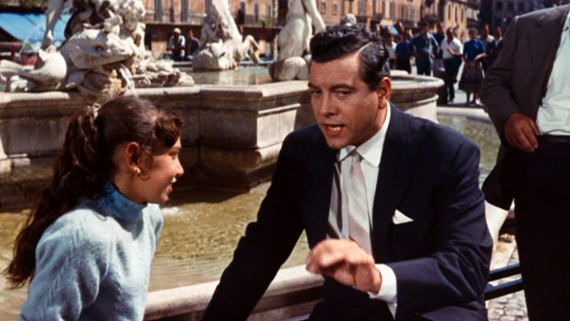
Lanza’s rendition of Neapolitan music was frequently splendid, and few could imbue "’A Vucchella" with more feeling and sentiment. I have heard many tenors sing "Core ‘Ngrato," but never with the approach of Lanza. Concentrate on the tears and emotion in his voice as he expresses the ingratitude of a lost and bitter love.
Mario Lanza’s voice has been described as “God-like” by those of a religious disposition. Such is the power for good expressed in this once-in-a-lifetime vocal talent that it is difficult to disagree with this assessment.
|